

cost of producing a circuit board
The cost of producing a circuit board (PCB) is a critical factor that influences the overall budget of electronic device manufacturing. This cost can vary widely based on several factors, including the type of circuit board, the complexity of the design, the materials used, the manufacturing processes, and the quantity produced. Understanding these factors can help designers and manufacturers make informed decisions and optimize their production processes.
The complexity of the circuit board design also plays a significant role in production costs. Designs with tighter tolerances, smaller components, and intricate layouts require more advanced manufacturing techniques, increasing labor and material costs. Features such as blind or buried vias, surface mount technology (SMT), and complex geometries can further complicate the manufacturing process, leading to higher expenses.
Additionally, design changes made late in the development process can lead to increased costs. Each iteration may require additional prototyping and testing, consuming both time and resources. As such, investing in thorough design planning and review can help mitigate unexpected costs down the line.
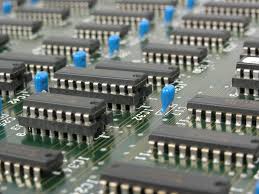
What is the cost of producing a circuit board?
The choice of materials and components used in circuit board production can also impact costs significantly. Common materials include fiberglass, epoxy resin, and copper, each varying in price based on quality and availability. Higher-grade materials may enhance performance and reliability but can also increase the overall cost of the PCB.
Furthermore, the components used in the circuit board—such as resistors, capacitors, and integrated circuits—can contribute to the overall cost. Custom components or specialized parts may require additional expenditures, particularly if they are sourced from specific suppliers. Bulk purchasing can help reduce costs, so manufacturers often consider economies of scale when planning production runs.
The manufacturing processes employed to produce the PCB also influence costs. Traditional methods such as etching and drilling can be labor-intensive, whereas advanced techniques like laser cutting and automated assembly may reduce production time and labor costs. However, the initial investment in specialized equipment can be significant.
Moreover, the choice between domestic and overseas manufacturing can lead to substantial cost variations. While overseas production often offers lower labor costs, factors such as shipping, tariffs, and potential communication barriers must be considered. Manufacturers must weigh these aspects carefully when deciding where to produce their circuit boards.
Finally, the quantity of circuit boards produced has a direct effect on production costs. Larger production runs often lead to lower per-unit costs due to economies of scale, as fixed costs are spread over more units. Conversely, small production runs may incur higher costs per unit, as setup and tooling expenses remain constant regardless of the quantity produced.
In conclusion, the cost of producing a circuit board depends on a multitude of factors, including the type of PCB, design complexity, materials and components, manufacturing processes, and production volume. Understanding these variables allows designers and manufacturers to optimize their PCB production processes, control costs, and ultimately deliver high-quality electronic devices that meet market demands. As technology continues to advance, staying informed about these factors will remain essential for maintaining competitiveness in the ever-evolving electronics industry.
