impact of temperature on RF PCBs
Temperature plays a crucial role in the performance and reliability of Radio Frequency (RF) Printed Circuit Boards (PCBs). RF PCBs are used in high-frequency communication systems, such as wireless devices, radar, satellite systems, and more. These systems often operate in environments with varying temperature conditions, which can significantly impact the functionality of the RF PCB. Both temperature extremes and thermal cycling can affect the electrical properties of the materials, signal integrity, component performance, and long-term durability of the PCB. Understanding how temperature affects RF PCBs is essential for designing reliable systems that can operate efficiently under different environmental conditions.
One of the primary ways temperature affects RF PCBs is by altering the electrical properties of the materials used in the board. RF PCBs are often made from specialized materials, such as Teflon (PTFE), ceramic composites, and high-frequency epoxy laminates, which have specific dielectric properties that help transmit high-frequency signals with minimal loss. However, these dielectric properties are not constant and can change with temperature. As temperature increases, the dielectric constant of these materials can shift, leading to variations in impedance. This shift can disrupt signal transmission, causing reflections, attenuation, or distortion, which ultimately degrades signal integrity. To mitigate this, RF PCBs are designed with materials that exhibit minimal temperature-induced variation in dielectric properties, ensuring stable performance across a range of temperatures.
Thermal expansion is another key factor influenced by temperature that can affect the performance of RF PCBs. Materials expand and contract as they heat up or cool down, and if different materials in the PCB expand at different rates, it can lead to mechanical stress. This can cause delamination (separation of layers) or cracking of the PCB, which can interrupt signal paths and cause failure. The copper traces and the PCB substrate materials often have different coefficients of thermal expansion (CTE), and this mismatch can lead to reliability issues over time. To combat this, rf pcb are designed using materials with similar CTEs or with careful consideration of the expansion properties of the materials to reduce the potential for stress and mechanical damage due to temperature changes.
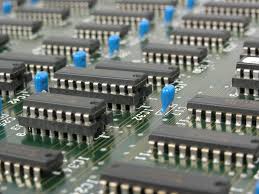
What is the impact of temperature on RF PCBs?
Another impact of temperature on RF PCBs is related to component performance. RF components such as amplifiers, oscillators, and mixers are sensitive to temperature fluctuations. As the temperature increases, the electrical characteristics of these components, such as their resistance, capacitance, and inductance, can change. For instance, transistors may experience reduced efficiency, leading to signal distortion or loss, while capacitors and inductors may exhibit altered impedance. The performance of semiconductors, which are commonly used in RF circuits, can also degrade at higher temperatures, leading to reduced gain, increased noise, or even complete failure in extreme cases. Designers address these issues by selecting components rated for high-temperature operation and using heat management techniques to maintain stable operating temperatures for critical components.
Thermal management is critical in preventing temperature-related problems in RF PCBs. As RF systems generate heat during operation, this heat must be dissipated efficiently to prevent overheating of both the PCB and its components. Without proper thermal management, components may become unreliable, and signal integrity could degrade due to thermal noise or excessive temperature variations. To address this, RF PCBs often include heat sinks, thermal vias, large ground planes, and active cooling systems. These techniques help to spread the heat across the board and direct it away from sensitive components. In some designs, multi-layer PCBs are used, with inner layers dedicated to heat dissipation, allowing for better thermal control and ensuring that the system remains stable even in high-power applications.
Thermal cycling, the repeated heating and cooling of a PCB, can also have a significant impact on its long-term reliability. As the PCB undergoes thermal cycles, the expansion and contraction of the materials can cause mechanical fatigue, leading to the failure of solder joints, cracks in the PCB, or loosening of component connections. This is particularly concerning in applications where the RF PCB is exposed to extreme temperature fluctuations, such as in automotive, aerospace, or outdoor communication systems. To mitigate thermal cycling effects, RF PCBs are designed with robust soldering techniques, flexible materials, and strong component mounting methods to ensure that the board can withstand temperature variations over time without compromising performance.
Finally, temperature can also influence the overall lifespan of an RF PCB. High temperatures can accelerate the aging process of the PCB’s materials and components, causing them to degrade faster. For example, solder joints may weaken over time due to thermal stress, and the dielectric materials may lose their insulating properties. To prolong the life of RF PCBs, designers carefully select materials with good thermal stability and ensure that the system operates within the recommended temperature range. Additionally, proper thermal management strategies, such as passive cooling or forced air cooling, can help keep the temperature within acceptable limits, reducing the risk of long-term damage and ensuring the reliability of the RF system.