Stock Market LIVE Updates: Sensex Turns Green, Recovers Over 950 Points From Day’s Low; Nifty Above 24,900

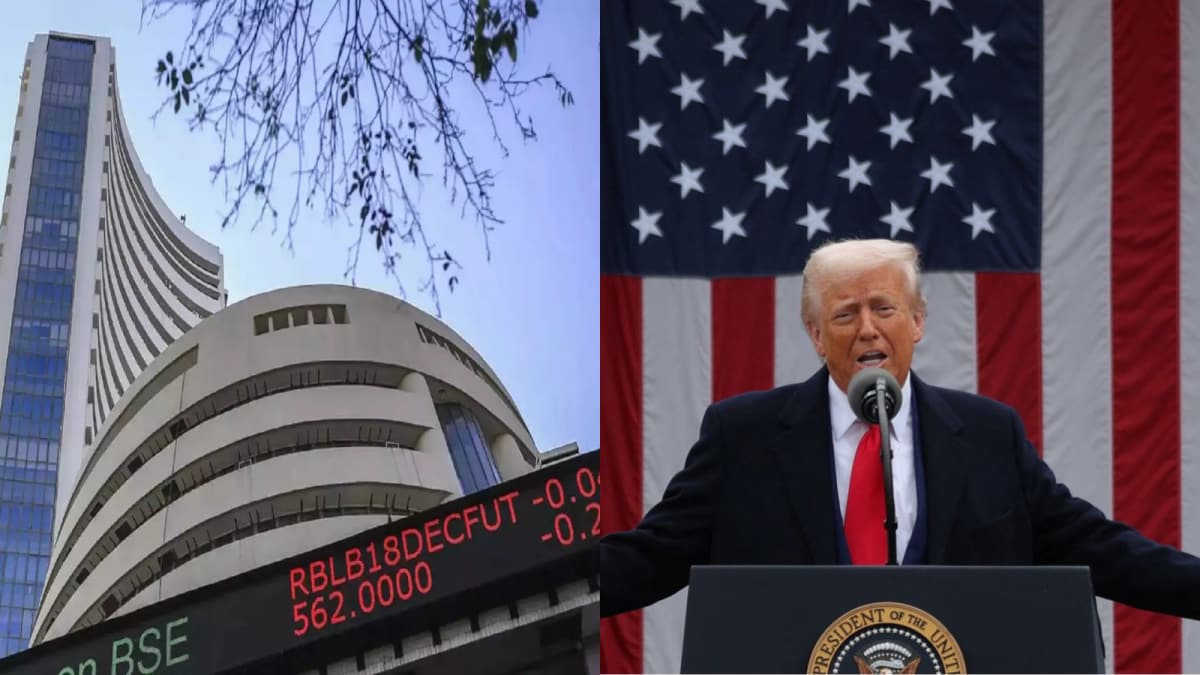
Stock Market Live Updates: The Indian stock markets turned green in the afternoon trade on Thursday, after a negative opening following US’ imposition of 25% tariffs and penalty on India. As of 12:58, the BSE Sensex was trading higher by 156 points to trade at 81,634.13, while the NSE Nifty was trading 48 points up at 24,903.
Here’s are the five key factors behind the market recovery today:
Trade Negotiation Optimism: Markets drew comfort from President Trump’s assurance that trade talks with India will continue, despite his 25% tariff threat. Investors see it as a negotiating tactic, not a final stance.
Crude Price Dip: Brent crude edged lower to $73.10 a barrel, easing inflation concerns for India, a major oil importer.
Global Market Support: Strong cues from Asian markets and positive U.S. equity futures lifted overall sentiment.
Rupee Rebounds: The rupee clawed back 14 paise to 87.66 against the dollar amid expectations of RBI intervention after hitting a sharp intraday low.
Fed Rate Cut Hopes: Dovish signals from US Fed officials sparked hopes of a rate cut in September, adding to risk-on sentiment globally.
At the market opening, the Nifty50 had declined 182.60 points, or 0.73%, to 24,668.20, while the Sensex was down 611.48 points, or 0.75%, at 80,870.38.
The Sensex had hit the day’s low of 81,695.15 and the Nifty fell to 24,635 during the morning trade before staging a sharp recovery in the afternoon.
Trump, in a sharp rebuke, stated that India imposes “some of the highest tariffs in the world” and maintains “the most strenuous and obnoxious non-monetary trade barriers of any country.” He also warned of further penalties tied to India’s continued energy imports from Russia.
With this announcement, India now faces one of the steepest US tariff regimes. In comparison, Vietnam faces 20% tariffs, Indonesia 19%, and Japan 15%. Brazil, meanwhile, received temporary relief from a proposed 50% tariff.
Sectors expected to be most impacted include garments, pharmaceuticals, gems and jewellery, automotive, and petrochemicals—areas that form a significant part of India’s exports to the US.