

PCB fabrication assembly cost
The cost of PCB fabrication assembly can vary significantly depending on several factors such as the complexity of the design, the number of layers, the type of components used, the manufacturing volume, and the required quality standards. PCB fabrication assembly is a multifaceted process that involves creating the board, placing components, soldering, testing, and sometimes even packaging. Each stage requires specific materials, equipment, and labor, which all contribute to the final cost. Understanding these factors can help businesses and engineers estimate the cost of their PCB fabrication assembly projects.
One of the primary factors influencing the cost of PCB fabrication assembly is the design complexity. A simple single-layer PCB with basic components will generally cost less than a multi-layer PCB with intricate routing and specialized components. Multi-layer boards require more advanced manufacturing techniques, such as precise layer alignment, copper plating, and additional steps for drilling and creating vias. These additional processes increase both the time and labor involved in the assembly, leading to higher costs. Additionally, designs with fine-pitch components, high-density interconnects (HDI), or unusual shapes often require specialized fabrication techniques, which can further increase the cost.
The number of layers in the PCB is another crucial factor in determining the cost of fabrication assembly. Single-layer boards are relatively inexpensive to produce due to their simplicity, but as the number of layers increases, so does the cost. For example, a four-layer PCB will typically cost more than a two-layer PCB due to the additional materials and processes involved in creating each layer. More layers also require more time for the drilling process and additional steps in the manufacturing and testing stages. The increased material usage and labor-intensive processes contribute to the higher price of multi-layer boards.
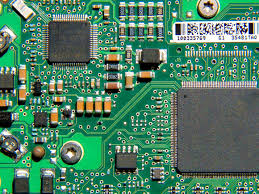
How much does PCB fabrication assembly cost?
The type of materials used in PCB fabrication assembly also affects the overall cost. The most common material for PCBs is FR4, which is a fiberglass-based laminate, but for more advanced applications, materials such as high-frequency laminates or ceramics may be used. These specialty materials, designed to handle higher frequencies or extreme conditions, are often more expensive than standard FR4. Additionally, components such as components with finer pins, high-density components, or custom-designed parts can add to the overall cost of the PCB fabrication assembly due to their higher price and more precise placement requirements.
The quantity of PCBs being fabricated and assembled is another significant cost factor. The cost per unit typically decreases as the production volume increases. For small production runs or prototypes, the cost per board will be higher because the setup costs, including the design work, machine programming, and material preparation, are spread across a smaller batch. In contrast, mass production runs of several thousand or more PCBs will benefit from economies of scale, reducing the cost per unit. However, high-volume production may still incur additional costs for specialized components or assembly techniques, such as automated component placement and testing.
The assembly process itself can also impact costs. Automated processes like pick-and-place machines used for component placement reduce labor costs and increase efficiency, but the initial setup for these machines can be costly. Additionally, the type of soldering used, such as wave soldering or reflow soldering, and the need for specific quality control measures like automated optical inspection (AOI) or X-ray testing can further increase the overall assembly cost. Soldering and testing are particularly critical for ensuring the functionality and reliability of the board, and these processes must meet high standards, especially for industries like automotive, medical, or aerospace.
Lastly, lead time plays a role in the cost of PCB fabrication assembly. A longer lead time typically results in lower costs because manufacturers have more time to plan and manage production efficiently. On the other hand, rush orders or expedited services generally incur additional charges, as manufacturers may need to prioritize the order or expedite materials and labor. Tight deadlines can also increase the likelihood of mistakes, leading to rework or additional quality control measures, which can add to the cost.
In conclusion, the cost of PCB fabrication assembly is influenced by a variety of factors, including the design complexity, the number of layers, the materials used, the quantity produced, the type of assembly processes employed, and the required lead time. For simple, single-layer boards, the cost may be relatively low, while multi-layer, high-density, or specialized PCBs can significantly increase the overall price. Additionally, small production runs tend to be more expensive per unit than larger volumes. By understanding these factors, businesses can better plan their PCB fabrication assembly projects and make informed decisions about their design, materials, and production volume to optimize costs.
