

Flexible PCB Manufacturing Contributes
Printed circuit boards (PCBs) are the foundation of electronics, powering everything from laptops and phones to medical devices and smart wearables. Flexible PCB manufacturing contributes to sustainability by allowing for lighter, more compact devices that are easier to hold and use. These flexible circuits also enable manufacturers to design products with unique features, such as a foldable phone that fits in your pocket or a fitness tracker optimized for the curve of your wrist.
In order to meet the growing demand for a wide range of flexible electronics, PCB manufacturers need to innovate with new materials and production techniques. These innovations need to address the unique requirements of each sector, delivering high-performance results without compromising quality or durability. For example, medical and aerospace flex PCBs need to be more durable than consumer electronics, as they must be able to withstand repeated bending and twisting. Meanwhile, consumer electronics need to be affordable while maintaining a high level of performance.
To achieve these goals, flexible pcb manufacturing must be designed to be durable and lightweight while ensuring electrical integrity. This requires careful consideration of material selection and circuit path layout to avoid stress points that can lead to failure. In addition, engineers need to keep in mind that flex circuits have a minimum bend radius below which they will deform or break, so they should be kept above this limit whenever possible.
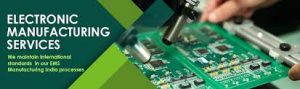
How Flexible PCB Manufacturing Contributes to Sustainability
Another critical consideration is the environmental impact of the manufacturing process. Traditional PCBs require a wide range of harsh chemicals to be etched and cleaned, which have been linked to air and water pollution. In order to reduce their environmental footprint, manufacturers need to develop more eco-friendly etching and cleaning agents that are safe for the environment.
The future of flexible PCB manufacturing looks bright, with numerous innovations underway to improve the industry’s sustainability profile. For example, a metal inkjet printing technology developed by Elephantech is enabling flex circuits to be made with a single layer instead of multiple layers. The process cuts copper usage by 70%, which significantly reduces the environmental impact associated with mining and refining this valuable resource.
More generally, there is a strong push to use renewable resources for flex circuits, as this will help mitigate the dependence on fossil fuels and reduce carbon emissions. Additionally, there is a desire to use biodegradable materials that will naturally degrade, reducing electronic waste and the environmental impact of the manufacturing process.
In addition to the environmental benefits, a shift toward renewables will allow PCB manufacturers to lower costs and stay competitive in an increasingly competitive marketplace. These factors will ensure that a future with flexible electronics is an attainable goal, benefitting both the industry and consumers alike. This is evident from the many success stories that are emerging from companies that integrate flex PCBs into their products. One example involves a tech company that used flexible circuits to integrate a curved display into a wearable device, enabling it to fit comfortably on the user’s wrist.
