

prevent solder bridging during Rigid flex pcb
A solder bridge forms on circuit boards whenever extra solder links at least two pads that ought to be separated above each other. These bridging points can lead to electrical shorts that, depending on how the circuit board is used, may cause various kinds of harm. The most common cause of these problems is due to relative small component lead sizes in comparison with pad size. Another major factor is the use of through-hole components with long leads. These are particularly prone to creating bridging points because of the longer time they spend above liquid solder.
The good news is that there are a number of ways to prevent this from happening. The first is to ensure that the rigid flex PCB’s design meets industry standards for manufacturability. This can be done by ensuring that the appropriate plating thickness and copper surface areas are met and by using components with adequate lead lengths.
Secondly, it is important to use the proper solder mask material and application. Solder mask is a coating that’s applied on all the spots of the PCB that don’t require soldering. Its typical material is epoxy, and molten solder doesn’t adhere to it. The mask should be carefully applied, avoiding any gaps between pad and hole edges and leaving no spaces between the leads of through-hole components.
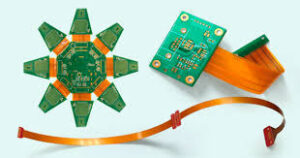
How do you prevent solder bridging during Rigid flex pcb?
Also, utilizing the right type of pads and holes is essential to reduce the risk of solder bridging. The pads should be round, and they should be smaller than the leads of through-hole components. This will make them easier to heat and will help equalize their temperatures. Finally, ensuring that the PCB’s plated holes have the correct diameter and spacing can also help to reduce the risk of solder bridges.
It’s important to work with a PCB assembly house that knows what they’re doing when it comes to preventing solder bridges. They should be able to answer any questions about the PCB’s design, reflow profile, and more. They should also have the equipment needed to recognize potential issues and take the necessary steps to avoid them. A rigid flex pcb is made by laminating together both flexible and rigid substrates to create an adaptable printed circuit board. It’s the perfect choice for applications that need both strength and dynamic adaptability. Rigid parts of the circuit board carry components while flex substrates provide interconnection paths. This combination of rigid and flexible areas is ideal for the most advanced electronics, as it eliminates the need for solder joints while enhancing the reliability of the electrical connection.
Ultimately, the best way to prevent solder bridges is to make sure that the board’s design is accurate and follows good manufacturing practices. This will significantly reduce the risk of them forming, especially when they’re caused by poor plating or incorrect copper finishing. By following these tips, you can be confident that your Rigid flex pcb will have the durability and reliability necessary for its intended use.
