manufacturers buying in bulk handle shipping and logistics
Shipping and logistics are critical components of the supply chain for manufacturers buying in bulk. When manufacturers purchase large quantities of goods or raw materials, it’s not just about securing the right products at the right price – managing the movement of these bulk purchases to and from warehouses, distribution centers, and production facilities is just as important. Effective logistics ensure that materials arrive on time, in good condition, and cost-efficiently. Manufacturers buying in bulk must implement robust strategies to handle the shipping and logistics challenges that come with purchasing large quantities of goods.
One of the first considerations when handling shipping and logistics for bulk purchases is choosing the right transportation methods. Manufacturers buying in bulk typically use freight services, such as truck, rail, sea, or air transport, depending on the nature of the goods and the distance involved. For domestic shipments, trucking or rail may be the most common options, while international bulk purchases may require container shipping via sea or air. Each transportation mode has its pros and cons – for example, while sea freight is generally cheaper, it can take longer, whereas air transport is faster but significantly more expensive. Manufacturers must weigh these factors to determine the most cost-effective and timely method for moving large quantities of goods.
To ensure smooth shipping, manufacturers buying in bulk also need to coordinate with multiple stakeholders, including suppliers, third-party logistics (3PL) providers, and transportation companies. Effective communication is key to ensuring that shipments are scheduled properly, goods are tracked in real-time, and any potential delays or issues are promptly addressed. Manufacturers often rely on 3PL providers to handle the intricacies of shipping and distribution, as these companies specialize in managing large shipments, coordinating logistics, and ensuring that products reach their destination on time and in optimal condition.
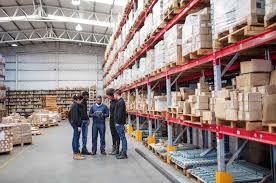
How do manufacturers buying in bulk handle shipping and logistics?
Another critical aspect of logistics for bulk purchasing is packaging and labeling. When dealing with bulk goods, proper packaging is essential to protect items from damage during transportation. Bulk products may be packaged in large quantities, such as pallets, crates, or containers, to streamline the shipping process. Additionally, clear and accurate labeling is essential for tracking purposes and to ensure that the right products are delivered to the right locations. For manufacturers buying in bulk, it’s essential to follow all regulations related to packaging, such as labeling requirements for hazardous materials or perishables, to avoid delays or legal complications.
Once bulk goods arrive at their destination, manufacturers must also manage warehousing and inventory. Proper storage and organization are necessary to ensure that materials are not damaged or misplaced before they are used in production. Many manufacturers invest in automated inventory systems that track shipments as they arrive, update stock levels, and alert warehouse managers when supplies need to be restocked. Such systems help manufacturers buy in bulk with confidence, knowing they will have the necessary materials on hand without the risk of mismanagement or stockouts.
Additionally, manufacturers buying in bulk must carefully plan for lead times and order cycles to avoid delays in production. Bulk purchasing requires advanced planning, as manufacturers need to account for the time it takes to receive the goods, store them, and integrate them into the production process. This is especially important if a manufacturer is working with multiple suppliers or relying on international shipping, where customs clearance and international regulations can add unexpected delays. By considering these lead times in their production scheduling, manufacturers can ensure that the bulk goods arrive when needed and do not interrupt the manufacturing process.
Finally, managing costs is an essential factor when handling shipping and logistics for bulk purchases. Shipping large quantities of goods can be expensive, especially for international shipments or bulk items that require specialized transportation. To mitigate these costs, manufacturers may negotiate long-term contracts with freight carriers, purchase in advance to secure lower rates, or consolidate shipments to maximize efficiency. Efficient logistics practices can help manufacturers buy in bulk while keeping transportation costs in check and ensuring their operations remain financially viable.
In conclusion, manufacturers buying in bulk must carefully plan and manage their shipping and logistics operations to ensure that their bulk purchases arrive on time, in good condition, and at a reasonable cost. By selecting the right transportation methods, coordinating with logistics providers, ensuring proper packaging and labeling, managing inventory effectively, and controlling shipping costs, manufacturers can handle the complexities of bulk buying efficiently and ensure smooth production operations.