Labubu Maker Sees 350% Jump In Profit: How These Dolls Turned From Toy To Trendsetter? | Business News

Last Updated:
Chinese toy firm Pop Mart says it expects a massive 350% jump in its profit in the first six months of this year.
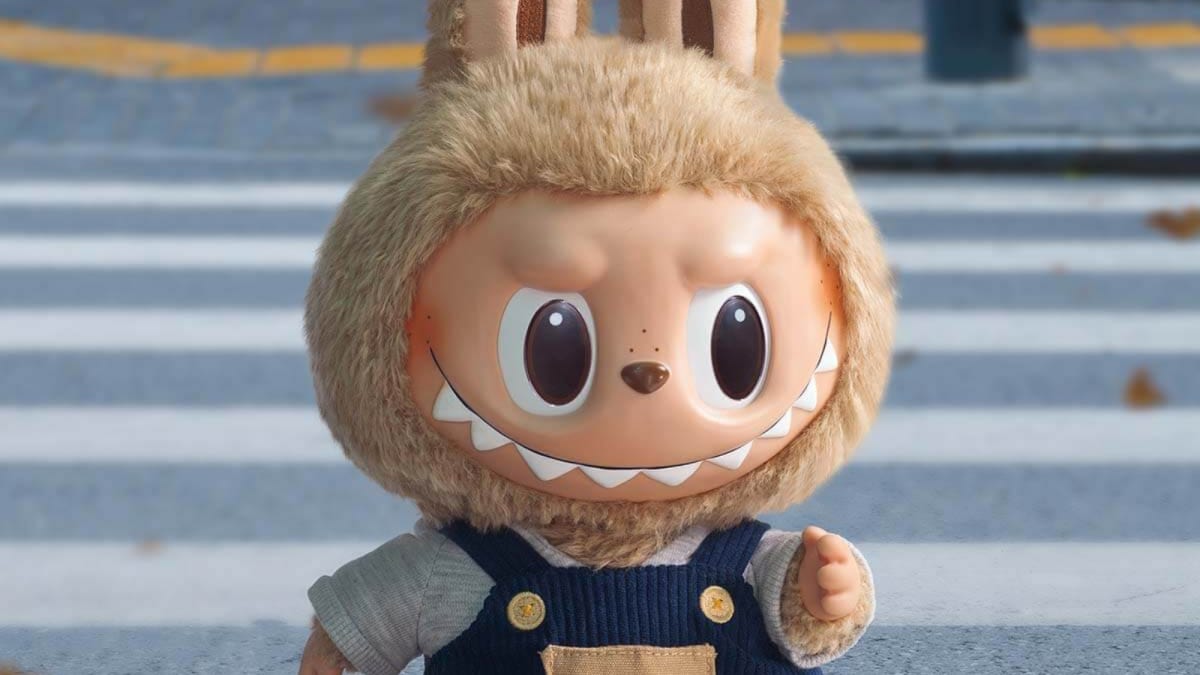
Labubu dolls ruled the Internet in June. (Photo Credit: Instagram)
In a landscape crowded with content and competing attention spans, few products cut through the noise to become cultural phenomena. Yet, the Labubu doll, an artistic creation from Pop Mart and illustrator Kasing Lung, has done just that.
Labubu dolls have earned their parent company a massive wealth. Chinese toy firm Pop Mart said it expects a massive 350% jump in its profit in the first six months of this year.
The company, which holds a stock market valuation of over $40 billion, attributed the sharp rise in profits to growing global recognition of the brand and strong cost controls.
Launched in 2019, Labubu has helped Pop Mart evolve into a major global retailer, now operating over 2,000 stores and vending machines worldwide.
Pop Mart went public on the Hong Kong Stock Exchange in 2020, and its stock has skyrocketed — gaining nearly 600% in value in the past year alone. In 2024, international sales accounted for nearly 40% of the company’s total revenue.
How Did Labubu Become Sensation? A Brand Equity Perspective & PR Case Study
Experts said Labubu’s rise from niche collectible to global cult icon is not only a marketing exemplar but also a PR case study in turning social buzz into sustained publicity.
“Labubu isn’t just a product story — it’s a PR masterclass,” Samir Kapur, a communication consultant.
Labubu’s strategic drop model — where collectors buy ‘blind boxes’ with limited-edition designs — has driven its mystique and media appeal.
Pop Mart is best known for selling toys in “blind boxes”, a type of packaging that hides its contents until it is opened.
Kapur said that rather than traditional influencer marketing, Labubu relied on a participatory model. Influencers became collectors and evangelists, unboxing the dolls with childlike joy and sharing their stories across TikTok and Instagram.
“Every drop becomes an event, not just a product release. PR professionals helped the company with exclusivity narratives in public, engaging niche communities and framed Labubu as a symbol of taste, not a toy.”
One reason Labubu, which ruled the internet in June 2025, escaped the fate of other viral toys like fidget spinners is its strong artistic origin story. It was not about utility, but imagination, he added.
“Labubu was positioned as an art piece, rooted in story and emotion. This elevated its perception and justified premium pricing,” Kapur added.
The case underscores a larger truth: hype and publicity play different roles in brand building. “Hype lives on TikTok and Reddit,” says Kapur. “But PR takes that noise and turns it into structure. Into stories. Into legitimacy.”
He cites three specific tactics that worked:
First is positioning the creator’s artistic vision as a narrative hook, second is placing Labubu in subcultures like anime and streetwear, and third is framing it around broader themes like nostalgia and emotional collecting.

Haris is Deputy News Editor (Business) at news18.com. He writes on various issues related to personal finance, markets, economy and companies. Having over a decade of experience in financial journalism, Haris h…Read More
Haris is Deputy News Editor (Business) at news18.com. He writes on various issues related to personal finance, markets, economy and companies. Having over a decade of experience in financial journalism, Haris h… Read More
view comments
- First Published: